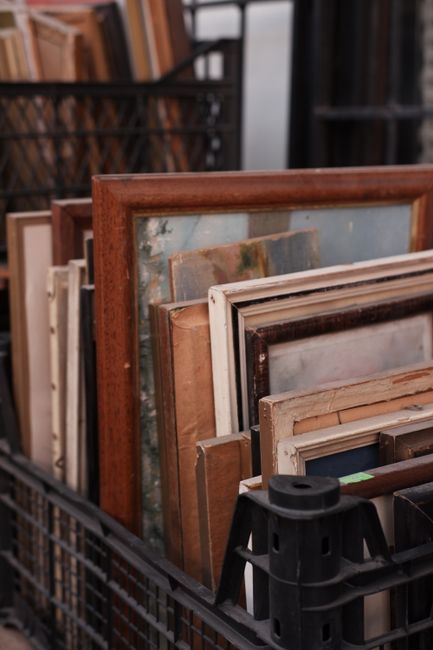
Specialist Crating for Antiques: What Removal Pros Do
Antiques are awkward in the best possible way. They can be beautiful, valuable, sentimental, and sometimes a bit fragile all at once. That is exactly why Specialist Crating for Antiques: What Removal Pros Do matters. A good crate is not just a wooden box. It is a tailored protective system built around the object, the journey, and the risks in between.
If you have ever looked at a carved cabinet, a marble-topped side table, or a clock that has survived generations and thought, "How on earth do we move this safely?" - you are in the right place. This article breaks down what removal professionals actually do, how specialist crating works, when it is worth the extra effort, and what to ask before anything leaves the room. Truth be told, the difference between a standard move and a well-crated antique move can feel dramatic once you see it done properly.
We will cover the practical side too: the planning, the materials, the packing sequence, the common mistakes, and the kinds of situations where a custom crate is the sensible choice. If you are arranging a home move or moving a single precious item, you may also find it useful to look at home moves or man with van support for the wider move around the antique itself.
Contents
- Why Specialist Crating for Antiques: What Removal Pros Do Matters
- How Specialist Crating for Antiques: What Removal Pros Do Works
- Key Benefits and Practical Advantages
- Who This Is For and When It Makes Sense
- Step-by-Step Guidance
- Expert Tips for Better Results
- Common Mistakes to Avoid
- Tools, Resources and Recommendations
- Law, Compliance, Standards, or Best Practice
- Options, Methods, or Comparison Table
- Case Study or Real-World Example
- Practical Checklist
- Conclusion
- Frequently Asked Questions
Why Specialist Crating for Antiques: What Removal Pros Do Matters
Antiques fail for boring reasons. A loose hinge. A sudden knock. Too much movement inside a box. One corner taking the full force of a turn on a stair landing. None of these sound dramatic, but they are exactly how damage happens during a move.
Specialist crating exists to reduce that risk. Removal professionals do not just wrap an antique and hope for the best. They look at the item's shape, age, construction, finish, and weak points, then design a crate or protective enclosure that suits it. In practice, this often means more time up front, but far less stress later.
This matters especially for pieces with one or more of the following:
- delicate veneers or inlays
- glass, mirrors, or glazed panels
- marble, stone, or ceramic components
- loose joinery or historic repairs
- irregular shapes that do not fit standard boxes
- high sentimental or financial value
There is also the simple reality that many antiques are not easily replaced. A scratch on a modern sideboard is annoying. A scratch on an 18th-century chest can feel like a gut punch. If you have ever seen a piece catch the light in the wrong way and spot a fresh chip, you will know the feeling. Not ideal, obviously.
For larger collections, a removal plan may involve other services too, such as packing and unpacking services or a tailored removal truck hire arrangement, depending on scale and access. The crating itself is only one part of the job, but it is often the most important part for the antiques.
How Specialist Crating for Antiques: What Removal Pros Do Works
The process starts with assessment. A removal pro or specialist packer will usually inspect the item first, either in person or from clear photos and measurements if a visit is not practical. They are looking for movement points, vulnerable surfaces, weight distribution, and how the item will behave if it is lifted, turned, or stacked nearby.
Then comes the crate design. There are a few common approaches:
- Fully custom wooden crate for unusually shaped or very high-value pieces.
- Partial crate or framed case when an item needs rigid corner and edge protection but not a full enclosure.
- Internal cushioning system using foam, felt, acid-free wrap, and blocking to stop movement.
- Double-box style protection for smaller antiques that need layered impact resistance.
The inside matters as much as the outside. A crate that is too roomy is almost as bad as no crate at all. Why? Because movement is the enemy. The item should be restrained without being squeezed. A good packer leaves no mystery wobble. None.
Removal pros also think about access. A crate that is perfect in the workshop but impossible to carry through a narrow hallway is not a good crate. So the dimensions, handles, fixings, and weight have to be balanced against real-life handling. If the property has tight stairs, awkward corners, or restricted parking, the team may choose a design that can be moved in parts or loaded more easily through the building.
Once built, the antique is secured inside the crate, labelled, and loaded with a handling plan. That might include upright positioning, no-stack instructions, vibration control, and a clear route through the vehicle. For a broader move, services such as house removalists or a practical man and van option can help coordinate the rest of the household around the crated item.
The whole point is simple: each layer should reduce risk, not add another guessing game.
Key Benefits and Practical Advantages
Specialist crating is not just for show. Done well, it gives you several concrete advantages that standard blankets and cardboard simply cannot match.
1. Better impact protection
Antiques are vulnerable to knocks at the edges, corners, legs, and joints. A rigid crate absorbs and spreads impact more effectively than soft wrapping alone.
2. Less movement in transit
Movement inside the crate is tightly controlled. That is a big deal on bumpy roads, sudden braking, or when the vehicle takes a turn a little faster than expected. Let's face it, those moments happen.
3. More predictable handling
Removal crews can lift, carry, and store a crate more safely than a loosely wrapped antique. The item becomes easier to manage as a unit, which reduces the chance of accidental contact.
4. Cleaner environmental separation
For dusty loft pieces, damp-prone wood, or items with old finishes, a crate helps keep contamination down during transit. That can matter more than people think.
5. Better peace of mind
When a family heirloom is involved, reassurance has real value. A properly made crate gives owners confidence that somebody has actually thought the job through. And honestly, that's a relief in itself.
6. Works for complex logistics
Crating can make antiques easier to combine with a wider move, especially if you are also relocating furniture, office contents, or mixed household goods. If the move is especially large, professional support like commercial moves or a vehicle arranged through moving truck options may be part of the bigger picture.
Who This Is For and When It Makes Sense
Not every old item needs a custom crate. Some pieces do perfectly well with careful wrapping, corner protection, and secure transport. But specialist crating becomes the right call when the risk profile changes.
It usually makes sense if you are moving:
- museum-quality or collector-quality items
- family heirlooms with high sentimental value
- very fragile cabinets, clocks, mirrors, or painted furniture
- items with glass, marble, stone, or delicate finishes
- pieces with structural weakness or previous damage
- items travelling long distances or into storage
It also makes sense if the access is difficult. A narrow terraced house, a top-floor flat, or a period property with awkward turns can all increase handling risk. In those cases, the crate becomes part of the movement strategy, not just a packing extra.
For owners downsizing, selling a house, or moving a handful of cherished pieces, the choice is often emotional as much as practical. You may not be moving a whole collection. You may be moving one cabinet your grandmother polished every Sunday morning. That changes the conversation.
For some readers, the real decision is whether to bundle the antique with the rest of the household move or treat it as a special item on its own. If you are unsure, it can help to compare the wider service routes, such as home moves versus more item-specific support. Different jobs, different rhythms.
Step-by-Step Guidance
Here is how removal professionals usually approach specialist crating, in plain English.
- Inspect the antique carefully. They check for loose joints, weak handles, chips, previous repairs, and surfaces that may mark easily.
- Measure everything properly. Not just height, width, and depth, but protrusions, overhangs, and fragile decorative details.
- Decide on the crate type. This might be a full crate, a partial frame, or a bespoke case with internal support.
- Select protective materials. Common choices include soft wrap, acid-free paper, foam, felt, wooden blocking, edge guards, and fixings that will not damage the item.
- Build or prepare the crate. The box is made to the item, not the item to the box. That's the whole trick.
- Stabilise the antique inside. The object is secured so it cannot slide, bounce, or twist.
- Label the crate clearly. Handling instructions help everyone downstream: lift points, upright direction, fragile notes, and loading order.
- Load carefully into the vehicle. The crate is placed to avoid compression and reduce vibration exposure.
- Uncrate at destination. The team removes the antique slowly, checks for any shifts, and places it in a safe resting position before final installation.
A useful detail many people miss: the uncrating is almost as important as the crating. Rushing that final stage is how minor mistakes become permanent marks. Slow hands. Calm room. Better result.
Expert Tips for Better Results
Over time, the same few habits tend to produce the best outcomes. Nothing glamorous, just solid practice.
- Photograph the item before packing. This gives a visual record of condition and helps everyone stay aligned about any pre-existing wear.
- Remove loose parts first. Keys, glass shelves, detachable feet, and ornaments should be packed separately where possible.
- Use breathable protection where suitable. Some antiques do not like being sealed in material that traps moisture.
- Keep paperwork with the item list. If you have several antiques, label the crate and keep a simple inventory.
- Ask about storage conditions if needed. Temperature swings and damp can matter, especially for timber and finishes.
- Do not over-handle the item. Each extra lift is another chance for something to go wrong. Fewer hands is often better.
- Think about the whole route. Stairs, door widths, vehicle access, and parking all affect the best crating choice.
One small but important tip: if an antique has a strange "give" in one area, say so. A slight wobble in a drawer rail or a hairline crack on a leg changes how the piece should be lifted. It sounds obvious, but in the real world people sometimes forget to mention these things until the box is already built.
If you want the rest of the move handled with the same care, a team offering packing and unpacking services can help keep the process consistent from start to finish.
Common Mistakes to Avoid
Most antique damage during a move is not dramatic. It comes from avoidable little errors.
Using generic boxes for valuable pieces
Cardboard can be fine for many household goods. For antiques, though, it often lacks the rigidity and shape control needed to stop movement.
Wrapping too tightly or too loosely
Too tight can stress fragile joints and finishes. Too loose allows movement. Finding the balance is part of the job, and yes, it takes experience.
Ignoring hidden weak points
Some items look solid but hide brittle glue lines, split timber, or loose trim. Those are the places that fail first.
Forgetting about humidity and storage
Moisture can affect wood, veneer, and painted surfaces. A crate should protect the item physically, but storage conditions still matter.
Assuming one method fits all antiques
A porcelain vase, a walnut table, and a Georgian mirror do not want the same treatment. Obvious enough, maybe, but people still make the mistake.
Not planning the route
Sometimes the crate is perfect and the hallway is the problem. If the team cannot get the item out safely, the packing work has not solved the real issue.
A practical move often combines the right packing approach with the right vehicle. For some jobs, man with van support is enough; for others, larger transport arrangements are better. The key is matching the method to the item, not the other way around.
Tools, Resources and Recommendations
You do not need specialist jargon to understand the tools involved. Most of the kit is straightforward, but the way it is used makes all the difference.
| Tool or Material | What It Does | Best Used For |
|---|---|---|
| Custom timber crate | Provides rigid external protection | Large, valuable, or fragile antiques |
| Foam inserts | Cushions and stabilises the item | Items with movement-sensitive surfaces |
| Acid-free paper or wrap | Protects finishes without harmful residue | Painted, varnished, or delicate surfaces |
| Corner guards | Protects exposed edges | Tables, frames, cabinets, and mirrors |
| Strapping and fixings | Anchors the antique securely | Transport and internal crate restraint |
| Blankets and pads | Offers an additional soft barrier | Secondary protection during handling |
For practical planning, a sensible starting point is to decide whether the item needs protection from impact, vibration, moisture, or all three. Once you know that, the packing method becomes much clearer.
If the move involves mixed contents and you are comparing transport options, a service such as furniture pick up may be useful for smaller items, while larger projects may benefit from dedicated vehicle arrangements or removal truck hire. Again, the best choice depends on access and item sensitivity.
And if the antiques are part of a broader collection or commercial interior, a more coordinated approach through office relocation services or commercial moves may be the better fit. Not every antique lives in a dining room, after all.
Law, Compliance, Standards, or Best Practice
When antiques are moved professionally, the focus is usually on safe handling, clear communication, and responsible transport. In the UK, there is no single magic rule for antique crating that fits every case, but there are sensible best practices removal teams should follow.
Those best practices usually include:
- working carefully to avoid preventable damage
- using suitable packing materials for the item
- training staff in manual handling and safe lifting
- keeping transport arrangements realistic for item weight and access
- maintaining transparent terms around service scope, timing, and responsibility
It is also sensible for any provider to be clear about insurance and safety arrangements. That does not mean every item is automatically covered in the same way, or that every type of damage is treated equally. The honest answer is that it depends on the service, the item, and the agreement. You should always check the details before the move.
If you want to understand how a provider approaches these issues, a page such as insurance and safety can be a helpful reference point. For general service terms, terms and conditions are worth reading carefully. Not exciting, I know, but very useful.
Responsible packing also connects to waste and sustainability. Where materials can be reused safely, that is often better than using disposable packaging for no reason. A company's recycling and sustainability approach can tell you a lot about how thoughtfully they work.
Options, Methods, or Comparison Table
If you are deciding how to protect an antique, the choice often comes down to three main methods. Each has a place.
| Method | Best For | Pros | Limitations |
|---|---|---|---|
| Standard wrapping | Less fragile antiques and shorter moves | Quick, lower cost, simple | Limited impact resistance, less shape support |
| Enhanced packing | Moderately delicate items | Better cushioning, flexible setup | Still relies on careful handling and secure loading |
| Specialist crating | High-value, fragile, or awkward antiques | Strongest protection, best movement control | More time, more cost, more planning |
There is no prize for choosing the most elaborate method if the item does not need it. Equally, cutting corners on a piece with real value can be a false economy. The right answer sits in the middle, informed by the item itself, not guesswork.
Case Study or Real-World Example
A practical example helps make this less abstract.
Imagine a family moving a Victorian walnut chest of drawers with brass handles and a marble top. It is heavy, but not so heavy that brute force is the answer. The marble top is removable, the drawers slide loosely, and one corner has an old chip that the family has always known about.
A removal pro would likely:
- remove the drawers and wrap them separately
- lift the marble top off and pack it flat with proper edge protection
- stabilise the carcass so the frame does not rack or twist
- build a crate that prevents side pressure on the vulnerable corners
- label the components clearly so reassembly is straightforward
Now imagine the same item moved without that thinking. The drawers slide open in transit, the marble shifts, and the weight lands where it should not. That is the kind of avoidable problem specialist crating helps prevent.
In a similar job, a narrow staircase, a small van route, and an early morning move can all be managed properly if the team plans ahead. A bit of quiet prep before breakfast, a careful route check, and the job goes from stressful to manageable. Not glamorous, but effective.
Practical Checklist
Use this checklist before moving any antique that may need specialist crating.
- Confirm the item's dimensions, weight, and any detachable parts.
- Photograph the item from several angles before packing.
- Note existing chips, cracks, repairs, and loose fittings.
- Decide whether the item needs full crating or enhanced packing only.
- Check the route out of the property, including stairs and door widths.
- Choose materials that suit the surface and construction of the antique.
- Make sure the item cannot slide, sway, or rattle inside the crate.
- Label the crate with handling instructions and destination details.
- Keep small parts, keys, and fittings in clearly marked bags.
- Review insurance and safety terms before the move begins.
- Plan where the item will be placed on arrival, not just how it will leave.
If the move is part of a larger relocation and you need a sense of cost or service scope, it can help to review pricing and quotes early, so there are no awkward surprises later.
Get a free quote today and see how much you can save.
Conclusion
Specialist crating for antiques is really about respect. Respect for the object, respect for the history behind it, and respect for the fact that moving day is already stressful enough without taking unnecessary risks. Removal professionals do more than wrap and lift. They assess, design, stabilise, label, load, and protect with a level of care that standard packing simply cannot match.
If your antique is delicate, valuable, awkward, or simply too important to get wrong, custom crating is often the calm, sensible choice. It may take a little longer, and yes, it asks for more planning, but the result is usually worth it. That quiet confidence when the piece arrives intact? Hard to beat.
And if you are still deciding how to approach the move, start with the item, not the box. That one shift in thinking tends to make everything else easier.
Frequently Asked Questions
What is specialist crating for antiques?
It is a custom packing method that uses a purpose-built crate and protective materials to reduce impact, movement, and handling risk for antique items.
Do all antiques need a custom crate?
No. Some antiques can be moved safely with enhanced wrapping and careful handling. Custom crating is usually best for fragile, high-value, awkward, or structurally vulnerable pieces.
How do removal pros decide whether crating is needed?
They look at the item's fragility, construction, surface finish, weight, shape, and travel conditions. Access at both properties also matters more than people expect.
What materials are commonly used for antique crating?
Typical materials include timber, foam inserts, acid-free wrapping, corner guards, soft pads, and secure fixings. The exact mix depends on the antique.
Is specialist crating only for very expensive antiques?
No. Sentimental value matters too. A modest-looking family heirloom may deserve the same care as a high-value collector's piece.
Can an antique be crated with its drawers or glass left in place?
Sometimes, but not always. Loose or fragile parts are often removed and packed separately to reduce stress on the main structure.
How far in advance should crating be arranged?
As early as possible, especially if the item needs a visit, measurements, or a fully custom crate. Last-minute planning tends to create compromises.
Will crating protect an antique from every kind of damage?
No method is perfect. Specialist crating greatly reduces risk, but safe handling, proper transport, and suitable storage still matter.
Is specialist crating useful for storage as well as moving?
Yes. It can be useful if an antique will be stored between properties or kept in transit-related storage for a period of time.
What should I ask a removal company before trusting them with an antique?
Ask how they assess the item, what materials they use, whether they build custom crates, how they handle loading, and what their insurance and safety terms cover. Clear answers are a good sign.
Does specialist crating make the move slower?
Usually, yes - but in a good way. It adds preparation time, yet often saves time, money, and worry by reducing the chance of damage or delays.
Can specialist crating be used for a single item move?
Absolutely. In fact, single-item moves are often where specialist crating is most valuable, because the whole job revolves around protecting one important piece.