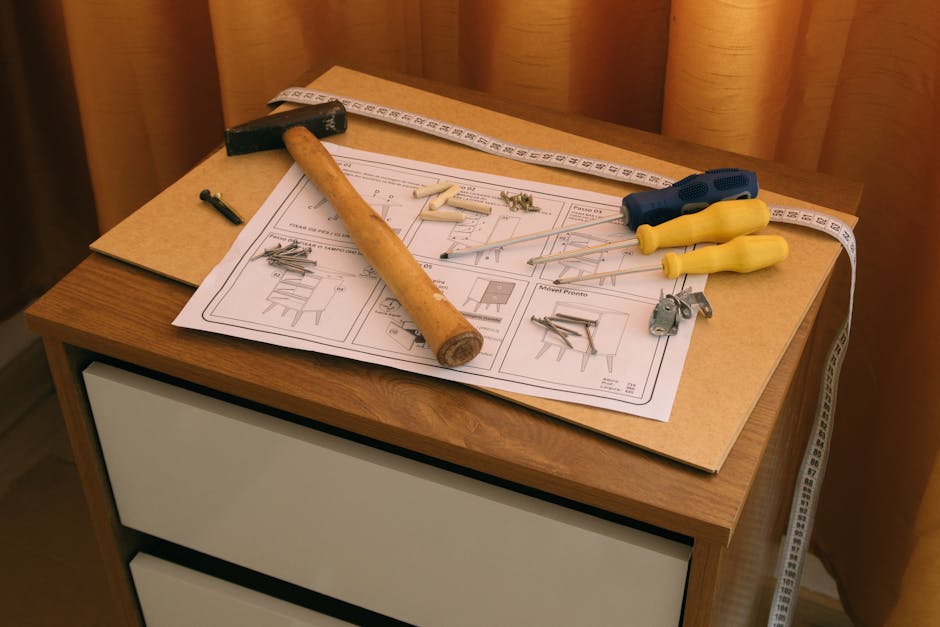
Dismantle Furniture Safely: Expert Techniques for Removals
Moving day has a way of making even the most sensible person stare at a wardrobe and think, well, how hard can this be? Then you realise the bed frame is wobbling, the screws are missing, and the dining table was clearly built by someone who never expected it to leave the flat. That is exactly why learning how to dismantle furniture safely matters. Done properly, it protects your furniture, your walls, and your back. Done badly, it turns a routine removal into an awkward, noisy, time-draining mess.
This guide explains the safest, most practical way to take furniture apart for a move. You will find step-by-step techniques, common mistakes, the right tools, and a few real-world tips that make life easier on the day. It also covers when it makes sense to handle it yourself and when a professional team can save you time, stress, and the sort of regret that arrives halfway down the stairs.
If you are planning a house move, office relocation, or a single-item collection, it helps to think ahead about the whole moving chain. Services like home moves, house removalists, and man and van support often work best when furniture is prepared correctly before loading begins. That preparation starts here.
Table of Contents
- Why Safe Furniture Dismantling Matters
- How the Process Works
- Key Benefits and Practical Advantages
- Who Needs This and When It Makes Sense
- Step-by-Step Guidance
- Expert Tips for Better Results
- Common Mistakes to Avoid
- Tools, Resources and Recommendations
- Law, Compliance, Standards, or Best Practice
- Options, Methods, or Comparison Table
- Case Study or Real-World Example
- Practical Checklist
- Conclusion
- Frequently Asked Questions
Why Dismantle Furniture Safely: Expert Techniques for Removals Matters
Furniture dismantling is not just about making items smaller. It is about making them safer to move. A bed base that looks manageable in a bedroom can become a slippery, awkward shape in a hallway. A large desk may scrape walls. A wardrobe with fixed shelves can twist under its own weight if you force it through a narrow staircase. Safety, in removals, is often about avoiding the small mistakes that become the expensive ones.
There is also the hidden risk of damage. Fastening systems, cam locks, dowels, and runners can all loosen or fail if they are stressed the wrong way. If you rush, you may strip a screw thread or split timber around a hinge plate. And let's face it, nobody wants to spend the evening searching for a replacement bolt because a drawer unit was taken apart with the wrong screwdriver.
Safe dismantling matters for the people doing the lifting too. Heavy furniture behaves differently once it is partially disassembled. One end can swing unexpectedly. Loose panels can catch fingers. Glass inserts, mirrors, and lacquered finishes need a steady hand and proper wrapping. A careful method reduces strain, improves control, and makes loading into a vehicle far easier.
For anyone using removal truck hire or booking a moving truck, the condition and size of your furniture affect how well everything fits. That makes dismantling a practical planning step, not a side issue. It helps the move run on time, with fewer surprises and fewer calls of "hang on, this doesn't fit."
How Dismantle Furniture Safely: Expert Techniques for Removals Works
At its core, the process follows a simple pattern: assess, prepare, disassemble, label, protect, and transport. The detail matters, though. Different materials and fittings need different handling. Flat-pack furniture is usually straightforward, while solid wood, antique, or office furniture may need a more cautious approach.
Start by checking how the piece was built. Look for visible screws, allen bolts, cam fittings, glued joints, clips, and any hidden fixings under covers or fabric. A lot of modern furniture is designed to come apart in predictable sections, but older pieces often have quirks. A little inspection at the start saves a lot of frustration later.
From there, the job becomes a sequence of small, disciplined actions. Remove loose contents first. Take out drawers. Detach glass, shelves, or fragile fittings. Keep screws in labelled bags. Wrap parts before moving them. If the piece is large, get another person to steady it while you work. That extra pair of hands is not a luxury; sometimes it is the difference between clean disassembly and an ugly wobble against the skirting board.
Professional teams often follow the same principles, just faster and with more practice. For office furniture, for example, dismantling must be coordinated with the wider move plan so desks, storage units, and screens are ready for loading. That is where office relocation services or commercial moves support can be particularly useful, especially when time is tight and access is awkward.
Key Benefits and Practical Advantages
People usually think of dismantling furniture as a way to make it smaller. True enough. But the benefits go a bit further than that.
- Less damage risk: Smaller, lighter components are easier to control through doorways and stairwells.
- Safer lifting: Panels and sections are easier to carry without twisting or overreaching.
- Better space use in the vehicle: Disassembled furniture stacks more efficiently, which can reduce the number of trips.
- Faster unloading and reassembly: Parts that are labelled well are easier to put back together at the destination.
- Cleaner protection of fragile items: Mirrors, glass tops, and shelves can be wrapped separately and secured properly.
There is also a quiet time-saving benefit. A well-dismantled sofa bed or wardrobe often loads far more quickly than an intact one, and that can make a real difference if you have a loading bay window or limited parking outside. Small margin, big relief.
For larger household moves, those savings add up. If you are already arranging packing and unpacking services, then having furniture prepared in advance helps the whole schedule feel more controlled. The move day feels less like a scramble and more like a sequence of manageable tasks. Which is what you want, honestly.
Who This Is For and When It Makes Sense
This guide is useful for more people than you might think. Home movers, landlords clearing a property, students leaving furnished accommodation, office managers shifting desks, and even families arranging a single-item pickup can all benefit from safer dismantling.
It makes sense when:
- the furniture will not fit through doors or staircases in one piece
- the item is heavy, awkward, or top-heavy
- you need to prevent scratching in narrow hallways
- there are glass, mirror, or delicate components involved
- the move includes long corridors, tight landings, or shared access
- you want to reduce the labour needed on the day
It is also sensible for anyone booking a single-item collection through furniture pick up. A chest of drawers, bed frame, or wardrobe that is partly dismantled can be easier to collect, easier to protect, and less likely to suffer knocks on the way out.
If you are managing a rental handover, there is another angle. Furniture that is left in a property should ideally be clean, safe, and removed without damaging walls or floors. Taking the time to dismantle it carefully can help you avoid avoidable repair issues. To be fair, that alone can justify the effort.
Step-by-Step Guidance
Below is a practical process you can follow for most standard furniture. It is not fancy. It just works.
1. Inspect the item before touching anything
Look for screws, bolts, clips, brackets, glued sections, and any hidden fasteners. If the item includes glass, mirrors, electric parts, or hydraulics, stop and assess whether specialist help is needed. Search under fabric flaps, inside drawers, and underneath surfaces. Many pieces hide fixings where you would least expect them.
2. Empty the furniture completely
Remove books, crockery, clothes, files, and loose hardware. This reduces weight and stops items shifting as you lift or tilt the piece. Drawers should be taken out early. Shelves should be removed where possible. If you leave contents inside, the centre of gravity changes, and that can make the item suddenly awkward.
3. Photograph the furniture from several angles
This is a small step that pays off later. Take photos of the assembled item, the fixings, and any cable routes or bracket positions. When you are reassembling at the destination, those images can be more useful than a memory that is already a bit tired from the move.
4. Organise tools and fasteners
Keep the right screwdriver, hex key, tape, marker pen, and small bags close at hand. As each set of screws comes out, place them in a labelled bag. A simple note like "wardrobe left side" or "bed frame rails" is usually enough. If you are dealing with several rooms, this step can save real time.
5. Remove detachable parts first
Start with handles, shelves, drawers, cushions, and glass components. This makes the larger body easier to handle and reduces the risk of something snapping while you are manoeuvring it. For office desks, cable trays and monitor arms often come off early too.
6. Disassemble the main frame methodically
Work from top to bottom or from the outer panels inward, depending on the structure. Do not force a panel that seems stuck. Check for missed fixings before trying again. If the item creaks or binds, pause. A stubborn joint is usually telling you something.
7. Protect each part as you go
Wrap delicate panels, tape loose cords, and cover edges with blankets or cardboard protection. If there is glass, use extra padding and clearly mark it. A scratched lacquer finish is annoying enough; a cracked mirror is far worse.
8. Stack and load with care
Load the largest flat pieces upright or in a stable position, based on what the vehicle and the item allow. Heavier pieces should go low and secure. Lighter items can sit on top only if they will not crush or bend. If you are using a man with van service, ask in advance how bulky items will be loaded so there is a clear plan.
9. Keep the reassembly kit together
Put tools, labels, instructions, and hardware in one clearly marked bag or box. That way, when you arrive, you are not digging through random boxes while trying to find a tiny bolt on a hallway floor. Been there? Most people have.
One one-line truth: slow is smooth, and smooth is fast.
Expert Tips for Better Results
Experienced removal teams tend to rely on a few habits that make dismantling safer and cleaner. They are not complicated, but they do make a difference.
- Use the right tool, not the nearest tool. Rounded screws happen when people use the wrong driver size.
- Support the weight before removing the final fixings. This matters with headboards, large tabletops, and tall shelving.
- Label both the part and the matching hardware bag. If one is lost, the other still tells you where it belongs.
- Mind the floor. Put down a blanket or mat when dismantling indoors, especially on wood or laminate.
- Check for hidden power or plumbing connections. Electric desks, lighting units, and fitted furniture need extra care.
- Stop if the item begins to twist. That usually means a fixing has been missed or the furniture needs a second pair of hands.
There is a calm rhythm to good removals. Measure, loosen, support, lift, wrap. Repeat. That rhythm is what keeps a move from becoming chaotic.
If you are dealing with a whole-house move, a team that understands furniture preparation alongside transport planning can be helpful. You can read more about the broader service structure through about us, or check the practical side of pricing and quotes before you decide how much support you need. No pressure, just sensible planning.
Common Mistakes to Avoid
Most furniture damage does not happen because the item was impossible to move. It happens because someone rushed the dismantling. The good news is that many mistakes are easy to avoid once you know what to look for.
- Forcing concealed fixings: If a panel will not move, check for hidden screws first.
- Not emptying drawers or cabinets: This creates extra weight and can damage slides or hinges.
- Mixing hardware from different pieces: It seems harmless until reassembly starts.
- Using too much brute force: A stuck joint often needs inspection, not muscle.
- Dragging parts across the floor: This is a quick route to scratches on both the furniture and the property.
- Ignoring fragile components: Glass, veneer, and mirrors deserve a separate packing method.
Another common issue is underestimating access. A wardrobe might technically dismantle well, but if the landing turns tightly at the top of the stairs, you still need to plan the movement path. It sounds obvious. In the moment, people forget. Every time.
There is also a tendency to assume that all flat-pack furniture is easy. Not always. Some budget items are held together with fittings that can wear out after one or two moves, and a second disassembly may be messy. If the furniture is already loose, warped, or stripped, a professional eye may save time and frustration.
Tools, Resources and Recommendations
You do not need a workshop full of equipment to dismantle furniture safely, but you do need a few basics. The better prepared you are, the less likely you are to make a mess in the middle of the hallway.
| Tool or Item | What It Helps With | Practical Note |
|---|---|---|
| Phillips and flathead screwdrivers | Removing common fixings | Use the correct head size to avoid stripping screws |
| Hex keys / Allen keys | Taking apart many flat-pack and modular items | Keep metric sizes together in a pouch |
| Small bags or envelopes | Storing bolts, washers, and fittings | Label them immediately, not later |
| Packing tape and marker pen | Labelling and bundling components | Use clear writing so it is readable on moving day |
| Moving blankets or bubble wrap | Protecting edges and delicate surfaces | Extra padding helps with lacquer, veneer, and glass |
| Gloves | Grip and hand protection | Choose ones that still allow dexterity |
| Dolly or sack truck | Moving heavier parts safely | Useful for long corridors and level flooring |
Sometimes the best resource is not a tool, but the moving support around you. If the item is bulky, awkward, or time-sensitive, a man and van team can bridge the gap between DIY effort and full-service removals. And if you want to understand how items are handled after collection, the company's insurance and safety information is worth reviewing before booking.
For environmentally minded moves, it also helps to think beyond the move itself. If furniture is no longer needed, consider responsible disposal or reuse through recycling and sustainability guidance. Good removals should not create unnecessary waste. That part matters.
Law, Compliance, Standards, or Best Practice
Furniture dismantling itself is not usually a legally complex task, but it does sit within broader duties of care. In a home, that means avoiding avoidable damage and reducing trip hazards. In a workplace, it means thinking about safe handling, access routes, and the welfare of the people doing the lifting. UK health and safety expectations tend to focus on sensible risk reduction rather than overcomplicated rules, which is fair enough.
Best practice is simple: assess loads honestly, use appropriate equipment, do not overload people, and avoid improvising when the job clearly needs support. If an item is unusually heavy, unstable, or difficult to separate, it is better to pause than push on. The same applies where there are electrical fittings, gas connections, or built-in components. Those should not be treated like a normal bedside cabinet.
For customer-facing services, it is also reasonable to check terms, payment processes, and complaint routes before booking. Clear service information helps everyone. If you want the formal side, the company pages for terms and conditions, payment and security, and the complaints procedure provide a useful overview of how things are handled. It is not the exciting bit, admittedly, but it does build trust.
Options, Methods, or Comparison Table
Different moves call for different levels of help. Some people are comfortable dismantling a bed and a table themselves. Others would rather hand the whole thing over and focus on the rest of the move. Both approaches are valid.
| Approach | Best For | Advantages | Trade-Offs |
|---|---|---|---|
| DIY dismantling | Simple flat-pack items and smaller households | Lower cost, full control, flexible timing | More physical effort, more chance of mistakes if rushed |
| Assisted dismantling with movers | Bulky items, tight stairs, heavy furniture | Better safety, faster handling, less strain | Extra service cost, needs scheduling |
| Full-service moving support | Busy households, offices, or time-critical moves | Less stress, coordinated packing and transport | Higher overall cost than DIY |
If your move involves multiple large items, a combination approach often works best. You might dismantle smaller pieces yourself and leave the trickier furniture to a team with the right equipment. For office setups, this is especially common. Desks and storage may need professional handling, while lighter chairs or accessories are easier to manage separately.
If you are weighing up options for a property or workplace, a sensible first step is to request a clear quote. The point is not simply to compare numbers, but to compare the amount of support you actually need.
Case Study or Real-World Example
A typical example: a two-bedroom flat move in a London terraced property. The household had a double bed, a wardrobe, a dining table, and a couple of bookcases. Nothing exotic. But the staircase curved tightly at the first landing, and the front room doorway was narrower than expected once you accounted for the frame.
The bed frame came apart quickly once the slats and central support were removed. The wardrobe took longer because one cam fitting had been overtightened months earlier and needed careful persuasion, not force. The dining table was the easiest piece to dismantle, though the glass top had to be wrapped separately and carried by two people. The bookcases were straightforward but needed all shelves removed before moving.
The difference-maker was preparation. Hardware was bagged and labelled before anything left the room. Blankets protected the doorway, and the larger panels were loaded upright into the vehicle. Nothing dramatic happened, which is always a good sign in removals. The whole job ran more smoothly because the furniture had been dismantled in a way that matched the property layout, not just the furniture design.
That is the small lesson here: move the way the building allows, not the way you wish it would allow. It sounds obvious, but on a busy morning, people forget.
Practical Checklist
Use this checklist before you dismantle furniture for a move. It is simple, but it keeps the day on track.
- Confirm the furniture needs dismantling at all
- Check access routes, stairs, and doorway widths
- Empty drawers, shelves, and cabinets
- Take photos before removal begins
- Gather the correct tools
- Label screws, bolts, and small parts
- Remove fragile items first
- Work with a second person for large or unstable pieces
- Wrap and protect each section as you go
- Keep all reassembly hardware together in one place
- Load parts so they will not slide or bend in transit
- Double-check the destination room before unloading
Quick expert summary: the safest dismantling jobs are not the fastest ones, they are the ones that stay organised. Protect first, label everything, and never assume a heavy item will behave nicely just because it has always sat still in the corner.
For some moves, it also makes sense to plan the whole journey together. If you need transport, packing help, or a single-item collection, the right support can take a lot of strain out of the day. If you are still shaping the plan, a direct conversation through contact us is a practical next step.
Conclusion
Learning how to dismantle furniture safely is one of those move-day skills that quietly saves time, money, and a fair bit of stress. It helps protect your furniture, keeps your home or office safer during the move, and makes loading and transport much easier to manage. Most importantly, it gives you control. And control is a comforting thing when boxes are stacking up and the kettle has already been packed away.
The best approach is usually a calm, methodical one: inspect carefully, remove hardware in order, label as you go, and stop when a piece feels too awkward to handle alone. That is not overcautious. That is just good sense. If a move is bigger than a DIY job, or if access is tricky, getting professional support can be the difference between a smooth day and a stressful one.
Get a free quote today and see how much you can save.
And if you do nothing else, remember this: a careful start almost always leads to a calmer finish. That is worth a lot on moving day.
Frequently Asked Questions
Do I always need to dismantle furniture before moving?
No, not always. Smaller pieces, lightweight chairs, and some compact storage units may move safely in one piece. But if an item is too large for doors, stairs, lifts, or the van space, dismantling is usually the safer option.
What furniture should be dismantled first?
Start with the biggest, heaviest, or most awkward items, such as wardrobes, bed frames, shelving units, and large desks. These are usually the pieces that create access problems if left intact.
How do I keep screws and bolts from getting lost?
Use small labelled bags or envelopes. Put the hardware from each item in a separate bag and write directly on it. It sounds basic, but it saves a lot of reassembly stress later.
Can I dismantle furniture by myself?
Yes, for some simple items you can. But large, heavy, or unstable furniture is safer with a second person. If you are unsure, it is usually better to ask for help than to wrestle with it alone.
What tools do I need to dismantle furniture safely?
Most jobs need screwdrivers, hex keys, a marker pen, tape, small storage bags, and some protective wrapping. For heavier items, gloves and a trolley or sack truck can also help.
How long does furniture dismantling usually take?
It depends on the item and the condition of the fixings. A simple bed frame may take only a short while, while a large wardrobe or office desk with cables and fittings can take longer. Rushing is usually what causes delays, though.
Should I dismantle furniture before booking a removal service?
Sometimes yes, sometimes no. If the service includes dismantling support, it may be better to leave the furniture as it is and let the movers handle it. If you are doing some preparation yourself, a bit of pre-planning helps the booking run more smoothly.
What should I do if a screw is stripped or stuck?
Pause and check the fitting rather than forcing it. A stripped screw may need the correct driver size, a better grip, or professional attention. Forcing it often makes the damage worse.
Is dismantling furniture part of a full moving service?
It can be, depending on the service you choose. Some moves include only transport, while others include packing, loading, and furniture handling. It is worth checking the service details before you book.
Can dismantling help reduce moving costs?
Often, yes. Furniture that is easier to carry and load can reduce time and labour on the day. It may also lower the chance of damage, which is a cost saving in itself, even if it does not show up on the invoice.
What should I do with furniture I do not want to keep?
If it is still usable, consider reuse or collection options. If it needs to go, look at responsible disposal and recycling routes where appropriate. The company's recycling and sustainability information is a helpful place to start.
How do I know whether professional help is worth it?
If the furniture is bulky, fragile, expensive, or difficult to access, professional help is usually worth considering. The same is true if you are short on time or managing a larger move. A quick quote can make the decision much easier.